
Documentary Wedding Photography in Charleston, SC: What It Is & Why Couples Are Choosing It

If you’ve started searching for a Charleston wedding photographer, chances are you’ve come across the term “documentary style” more than once — and maybe you’re not entirely sure what it means, or how it’s different from the traditional, posed photography you grew up seeing in your parents’ wedding albums.
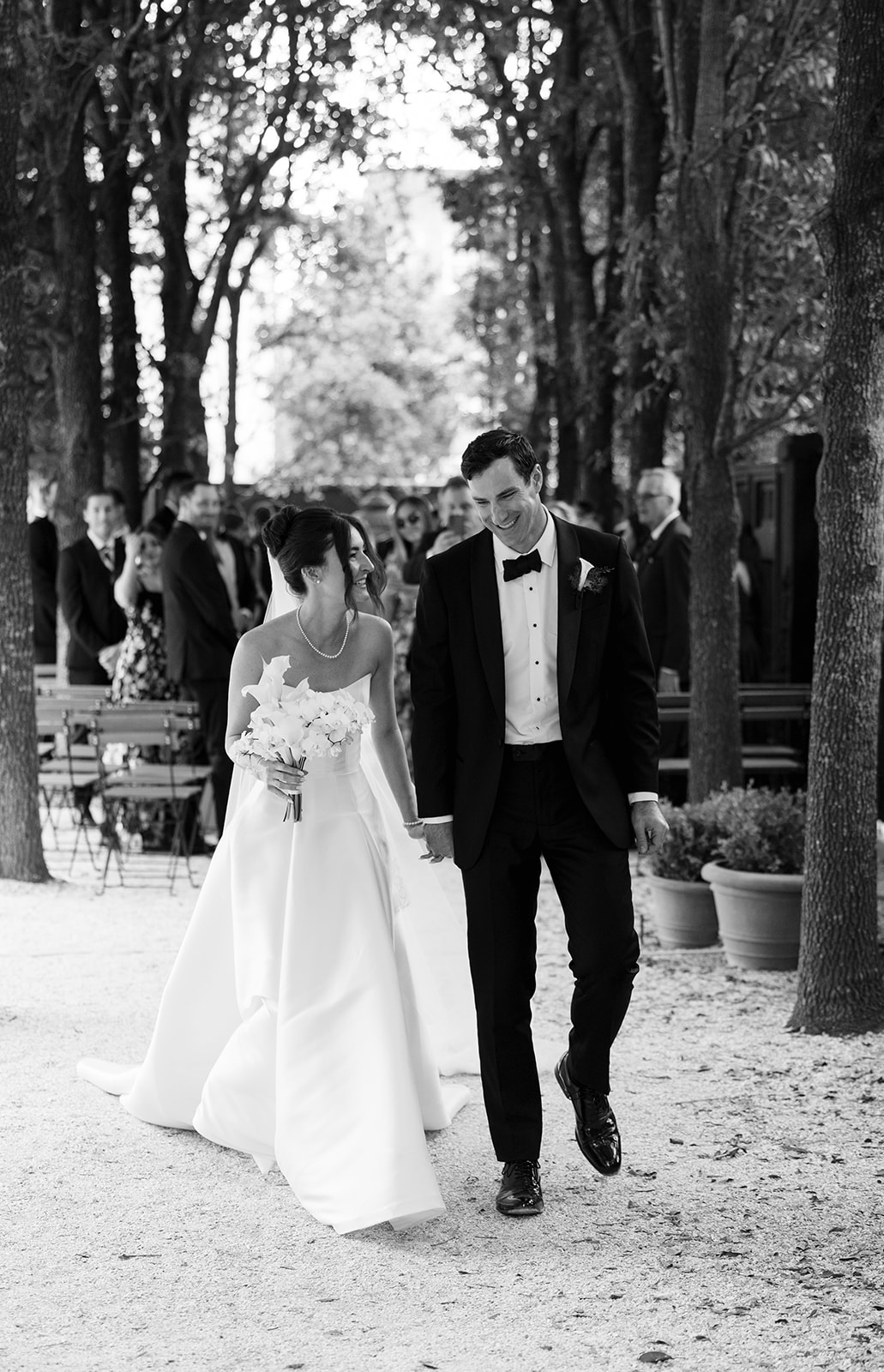
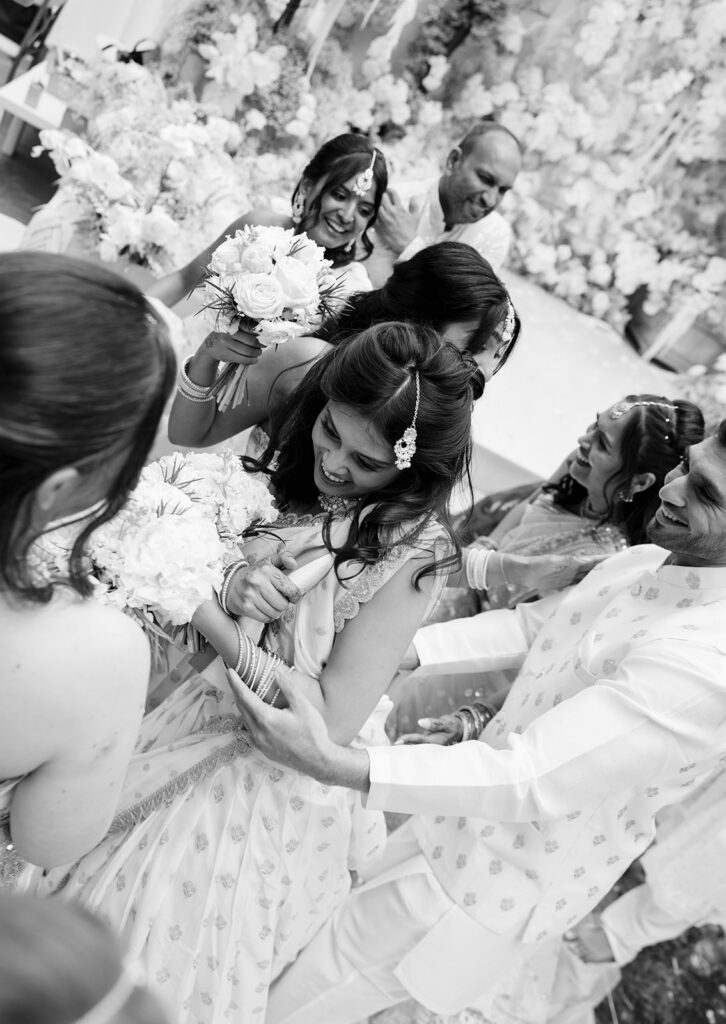
Here’s the short version: documentary style wedding photography means your day is captured as it actually happens — real laughter, real tears, real in-between moments — instead of being staged, directed, or interrupted for the camera. It’s the difference between a photo that looks like a portrait and a photo that feels like a memory.
As a husband-and-wife team based right here in Charleston, this is the entire foundation of how we shoot. So we wanted to put together the guide we wish more couples had when they started this search: what documentary wedding photography actually is, how it differs from traditional photography, why Charleston is such a beautiful place to shoot this way, and what to expect if you choose this approach for your own wedding day.
What Is Documentary Style Wedding Photography?
Documentary style wedding photography — sometimes called candid, photojournalistic, or fly-on-the-wall photography — is an approach where the photographer observes and captures your wedding day as it naturally unfolds, rather than posing, directing, or staging moments.
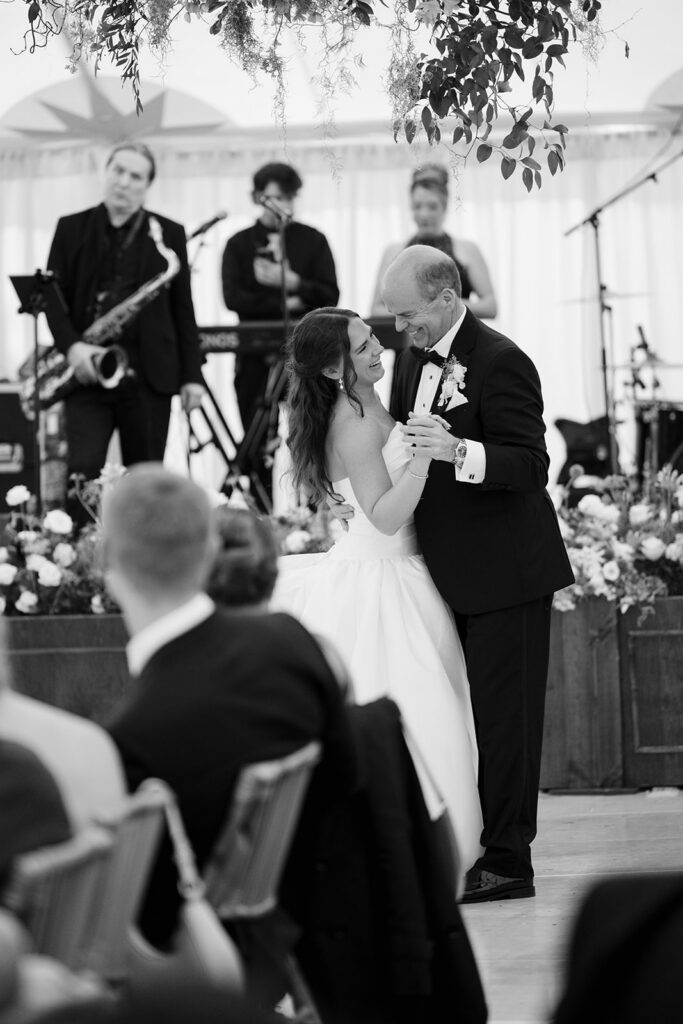
Instead of stopping the flow of your day for a long list of formal poses, a documentary photographer works quietly in the background, anticipating meaningful moments before they happen: your dad’s face the first time he sees you, your partner’s hands shaking while tying a tie, the way your grandmother laughs at your toast. Nothing is recreated. Nothing is asked to “happen again for the camera.” It’s captured once, as it really was.
That doesn’t mean documentary photographers never ask you to stand together or never take a portrait — most, including us, still build in time for a handful of intentional portraits of the two of you. The difference is in the ratio and the intent: the day is led by what’s actually happening, not by a shot list.
Documentary vs. Traditional Wedding Photography
The easiest way to understand documentary style is to compare it to traditional, posed wedding photography:
Traditional wedding photography relies on a detailed shot list, formal posing, and directed moments — the photographer is actively arranging people, expressions, and angles for nearly every image. This style tends to produce polished, symmetrical, portrait-driven galleries.
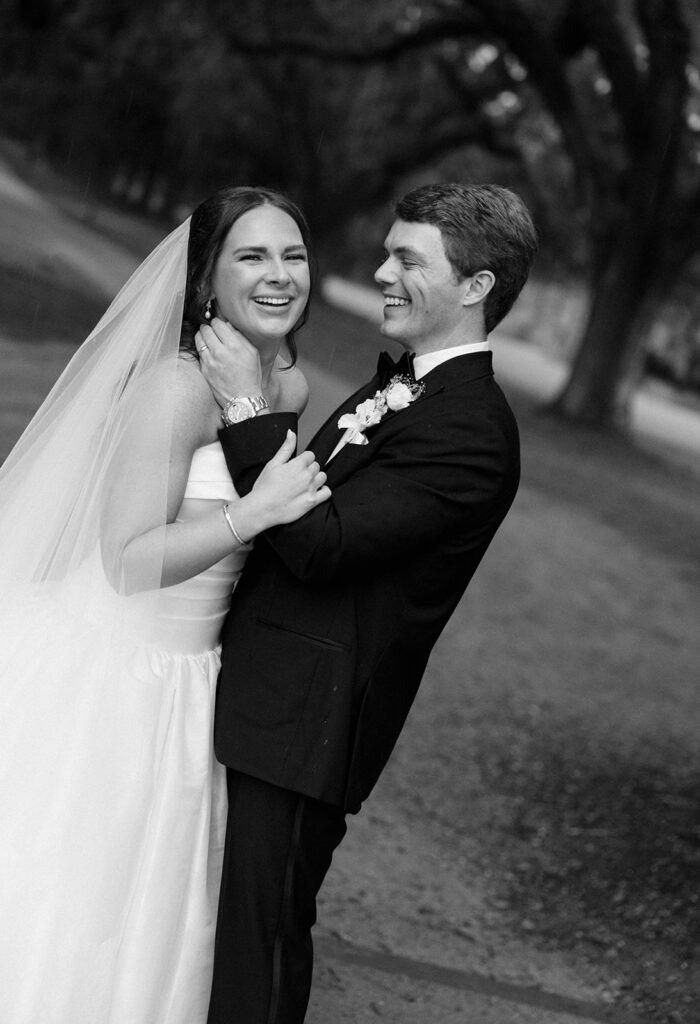
Documentary wedding photography relies on observation and timing rather than direction. The photographer moves through your day almost invisibly, using their experience to be in the right place when something real happens. The resulting gallery reads less like a series of portraits and more like a story, with emotion and movement carried through every frame.
Most couples today don’t choose one style in isolation — they choose a photographer whose primary instinct is documentary, with enough portraiture worked in to still get those timeless, intentional images of the two of you looking at the camera. That blend is exactly what we aim for on every wedding day.
Why Charleston Is Made for Documentary Wedding Photography
Charleston isn’t just a beautiful backdrop — it’s genuinely one of the best cities in the country for this style of storytelling, for a few reasons:
The light. Charleston’s soft, golden Lowcountry light — especially in the late afternoon along the water or filtering through oak trees dripping with Spanish moss — does a lot of the work on its own. Documentary photography depends on responding to real light in real time, and Charleston gives us some of the most forgiving, cinematic light in the Southeast.
The architecture and history. From the piazzas and wrought-iron gates downtown to the plantations, churches, and waterfront venues throughout the Lowcountry, Charleston is full of texture and character. A documentary approach lets those details become part of the story instead of just a backdrop — your grandmother’s hands on a century-old staircase, a second line winding past King Street row houses, your first dance under the oaks at a venue like Boone Hall or Middleton Place.
The pace of a Charleston wedding. Charleston weddings tend to hold onto Southern tradition — family, faith, hospitality, celebration — which naturally produces the kind of unscripted, emotional moments documentary photography is built to catch: the receiving line hugs, the aunts dancing barefoot by the end of the night, the porch conversations before the ceremony even starts.
Whether you’re getting married downtown, on Johns Island, at a Lowcountry plantation, or out on Hilton Head, documentary photography lets Charleston itself become part of how your story is told, not just where it happens to take place.
What to Expect From a Documentary Wedding Photographer on Your Wedding Day
If you’ve never worked with a documentary-style photographer before, here’s a realistic look at how the day tends to go:
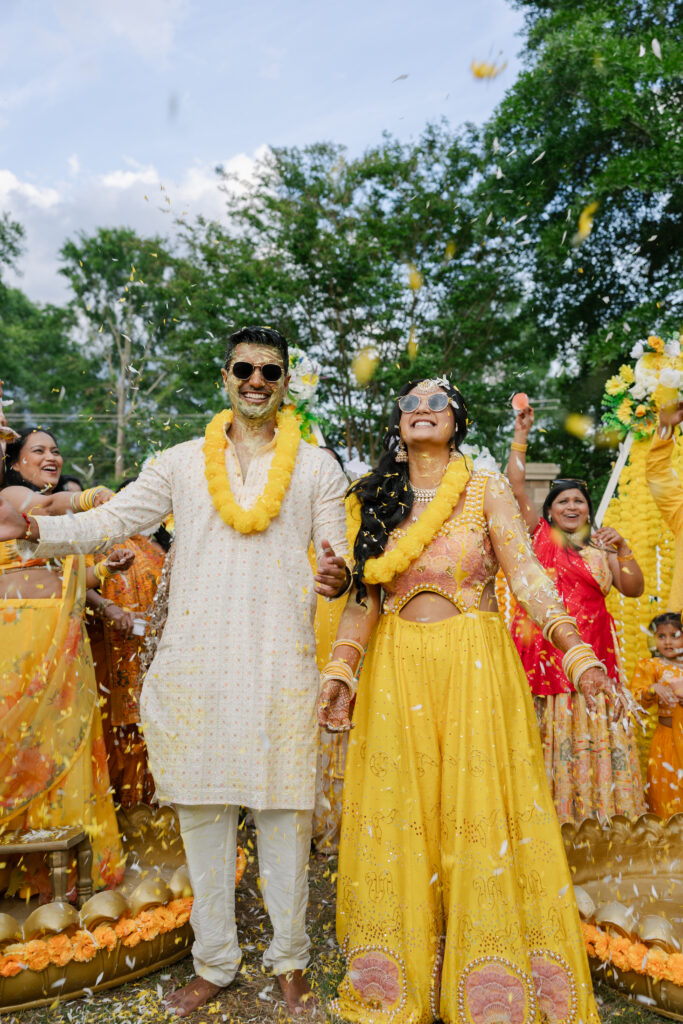
Minimal directing, maximum presence. We’re there early, staying close but staying out of the way, watching for the moments that only happen once — the first look, the ring exchange, your dad’s reaction to the vows.
A blend of candid and intentional portraits. Alongside all that candid coverage, we still carve out time for genuine, unposed-feeling portraits of the two of you — usually 20 to 40 minutes total across the day — so you walk away with both the story and the timeless images to print and frame.
Freedom to actually be present. Because we’re not stopping the day every ten minutes for another pose, you and your guests get to stay in the moment instead of performing for a camera. Most couples tell us this is the biggest relief of working documentary style — you can actually enjoy your own wedding.
A high volume of authentic images. Documentary coverage typically produces a larger, more varied gallery than a heavily posed wedding — often several hundred final images — because so much of the day is being captured continuously rather than staged in short bursts.
Benefits of Choosing Documentary Style for Your Charleston Wedding
- It feels like you, not a magazine spread. Your gallery reflects your actual wedding — your people, your energy, your day — instead of a formula repeated for every couple.
- You get to be present instead of performing. Less posing means more time actually celebrating with the people you love.
- The story holds up over time. Candid, emotional images tend to mean more decades from now than a stiff, staged pose — they’re the ones that make you cry looking back at them.
- Nothing important gets missed. A documentary photographer is trained to anticipate moments before they happen, so the small, fleeting things — a squeezed hand, a shared look across the room — actually get captured.
How to Choose a Documentary Wedding Photographer in Charleston
As you’re comparing photographers, a few things are worth asking about directly:
- Ask to see a full wedding gallery, not just a highlight reel. Anyone can share their best twenty images. A full gallery shows you their consistency and how they handle the quieter, in-between moments.
- Ask how they balance candid coverage with portraits. True documentary photographers should be able to speak clearly to how they blend both, rather than only shooting one way.
- Ask about their presence on the day. A great documentary photographer should feel more like a quiet, welcome guest than someone constantly directing traffic.
- Make sure their portfolio actually reflects Charleston. Local experience matters — familiarity with Lowcountry light, humidity, popular venues, and timeline logistics (tide schedules for waterfront venues, golden hour timing in different seasons) makes a real difference in how your day is captured.
As a Charleston-based husband-and-wife team, this is exactly the approach we bring to every wedding we photograph — genuine storytelling built around who you are, with the timeless portraits still woven in, shot with a deep familiarity for this city and the light it gives us.
Frequently Asked Questions
Is documentary wedding photography the same as photojournalistic wedding photography?
Yes — the terms are generally used interchangeably. Both describe an unposed, candid approach focused on capturing real moments as they happen rather than staging them.
Will I still get posed pictures with a documentary photographer?
Almost always, yes. Most documentary photographers, including us, build dedicated time into the timeline for intentional portraits of the couple and family — it’s simply a smaller portion of the day than in a fully traditional approach.
Is documentary style a good fit for a more traditional or formal Charleston wedding?
Absolutely. Documentary photography isn’t about the formality of your wedding — it’s about how it’s photographed. A formal, black-tie Charleston wedding can be documented just as candidly as a laid-back backyard celebration.
How many photos will I receive from a documentary-style wedding?
It varies by photographer and by day, but documentary coverage typically results in a larger and more varied final gallery than heavily posed photography, since so much of the day is captured continuously.
How far in advance should I book a documentary wedding photographer in Charleston?
Charleston is a highly sought-after wedding destination, and photographers with this style tend to book up quickly — many couples reach out 9 to 12 months in advance, especially for spring and fall dates.
Ready to talk about your Charleston wedding day?
We’d love to hear your story. Reach out here to check our availability and start the conversation.


Comment Form
Read & Leave a comment